
What Makes a Website Actually Convert Visitors Into Customers?
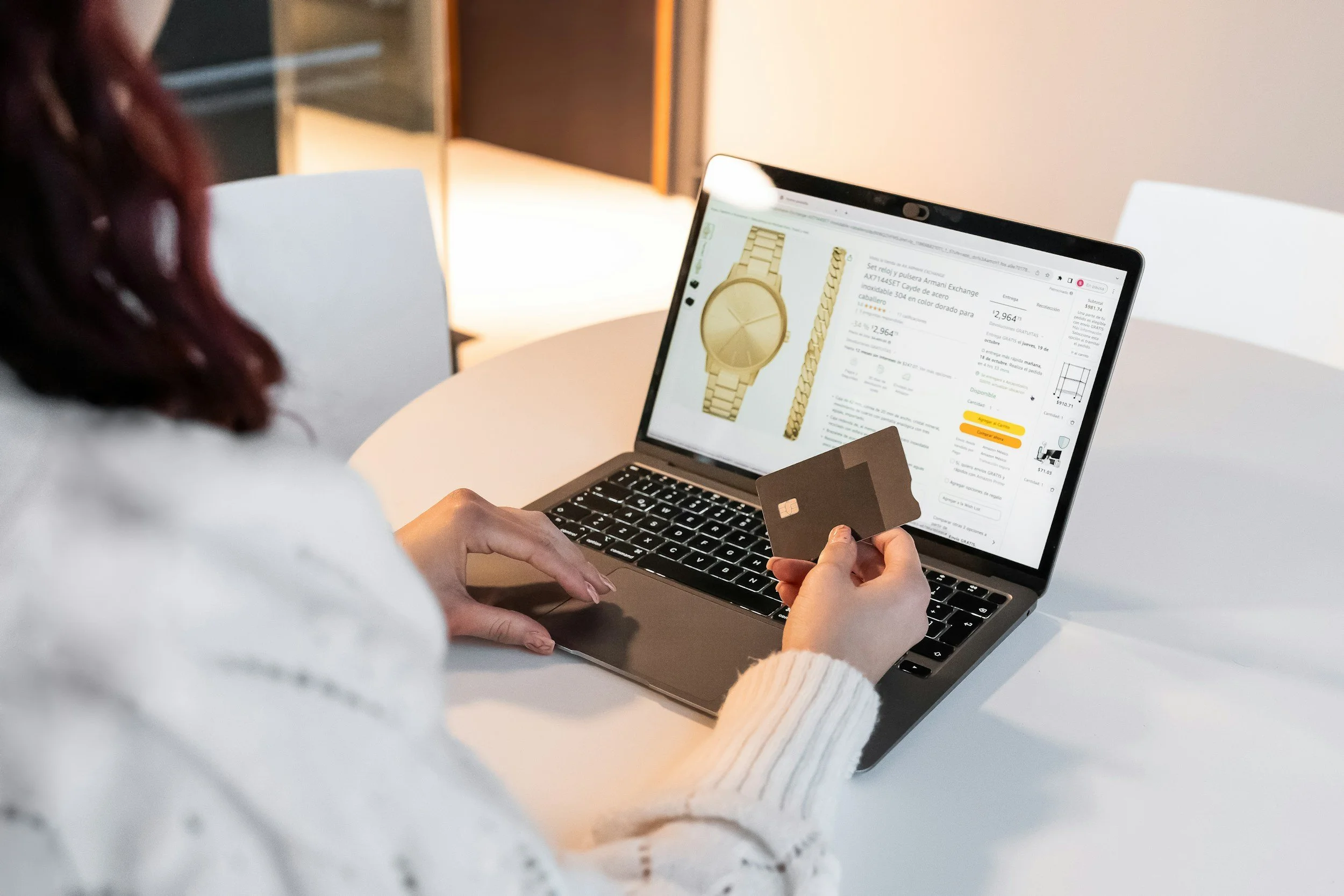
If you run an ecommerce business, you’ve probably spent hours looking at your competitors’ websites. You’ve looked at their layouts, their colours, and their checkout pages. And if you’re like a lot of businesses out there, you might have ended up copying them like-for-like.
I see this happen all the time, especially in retail and fashion. Brands get so focused on the competition that they end up looking exactly the same. The result? A whole industry of websites where very little distinguishes one from the other.
Of course, a website needs to get your customer from the landing page to a sale as fast as possible. But how you present yourself is where you can make the experience unique.
So, what makes a website actually convert visitors into customers? It comes down to this: you need to stop blending in and start designing for real business results. Here’s how you do it.
Break the Copycat Habit
The biggest mistake founders and marketing directors make is forgetting to step back and look at the site from a customer’s point of view.
Instead of guessing, let the feedback lead you. Test the site with friends and family. Pull the hard data from Google Analytics and look at actual shopping behaviours. Ask yourself: What are the roadblocks? Do you have too many calls to action? Are your most profitable products falling by the wayside because too many other things are taking focus?
When you build from the customer up, rather than the competitor down, you start to create a brand experience that actually stands apart.
Balance Personality with Good Shopping Habits
You can absolutely have a fun, bold website without slowing down the sale. A great example of this is a project we worked on in spring 2024 for Putterfingers.
They asked us to design their next-generation website, and by focusing on smart shopify website design, we delivered a dynamic layout that showed off their playful personality alongside their high-quality offerings. We brought in vibrant video content from their creative partners at Indigo Illusions to make the site immersive and entertaining.
But we didn’t let the fun get in the way of the till. We made sure we maintained strong, proven shopping behaviours. We used clear signposting for their different products and pushed their top-selling items front and centre. We made sure the shopping cart and account links were incredibly easy to find in the navigation. We also backed it all up with testimonials and social proof to show new customers that Putterfingers is a trusted partner.
One year later, the results speak volumes: Putterfingers is seeing record-breaking online sales and a stronger connection with their customers than ever before.
Stop Doing What's "Bloody Annoying"
There is a lot of so-called "best practice" out there that actually just drives people away. We need to approach web design from the customer’s perspective, which means ditching the faff.
Take pop-ups, for example. We see them everywhere, but having a pop-up hit the screen the second a customer lands on your site is just bloody annoying. If you’re going to use them, they have to make sense for the journey. Offering a new customer 10% off for signing up to a newsletter is a fair trade that helps convert a sale. But hitting them with a pop-up asking for feedback before they’ve even had time to explore the site? That makes zero sense.
Give your customers room to breathe and offer them real value when the timing is right.
Guide the Click (and Protect Your Margins)
Sometimes clients want every button to be bright, bold, and shouting at the customer all at once. But when everything is a priority, nothing is.
To fix this, you need to figure out the priority user journey. We use a clear hierarchy of button styles. Primary buttons lead the customer exactly where we want them to go to make a purchase. Secondary and tertiary buttons are there to handle the less important journeys.
The same goes for offers. When you give a discount, you have to make sure it doesn't cut into the profit margins of the business. You want to offer an incentive that helps the customer without undermining your own bottom line.
If you struggle to picture how this looks, don't wait until the coding starts to figure it out. Navigating these roadblocks alone can be tough, but hiring a design agency allows you to build moodboards early in the design process to run through the visual approaches, customer journeys, and even the pop-ups. It solves big problems early on, meaning you don't run into expensive, time-consuming snags during the development phase.
The Launch Date is the Starting Line
A lot of businesses think that once the new website goes live, the job is done. But the launch date isn’t the finish line—it’s the starting line.
Once the site is out in the wild, that’s when you can truly track and measure customer journeys and tie in your email and social marketing. While sales are the ultimate measure of success, returning custom is the real signal that you’ve created something people actually want to use.
You have to drive hard to get customer feedback, too. It shows you your successes, but more importantly, it points out your failures. Even with all the planning in the world, customers might behave in ways you didn't imagine. Ecommerce is constantly moving, and trends change fast.
Building a website isn't a one-and-done job. It needs to be built in a way that allows you to adapt quickly to seasonal changes, push new product lines, and roll out new offers.
If you’re ready to break the copycat habit and build a store that genuinely converts, our shopify website design services can help you strike the perfect balance between bold branding and seamless shopping. Stay open, watch the data, and be ready to shift gears. That is what actually turns visitors into loyal customers.